
OPAL Center Team Members
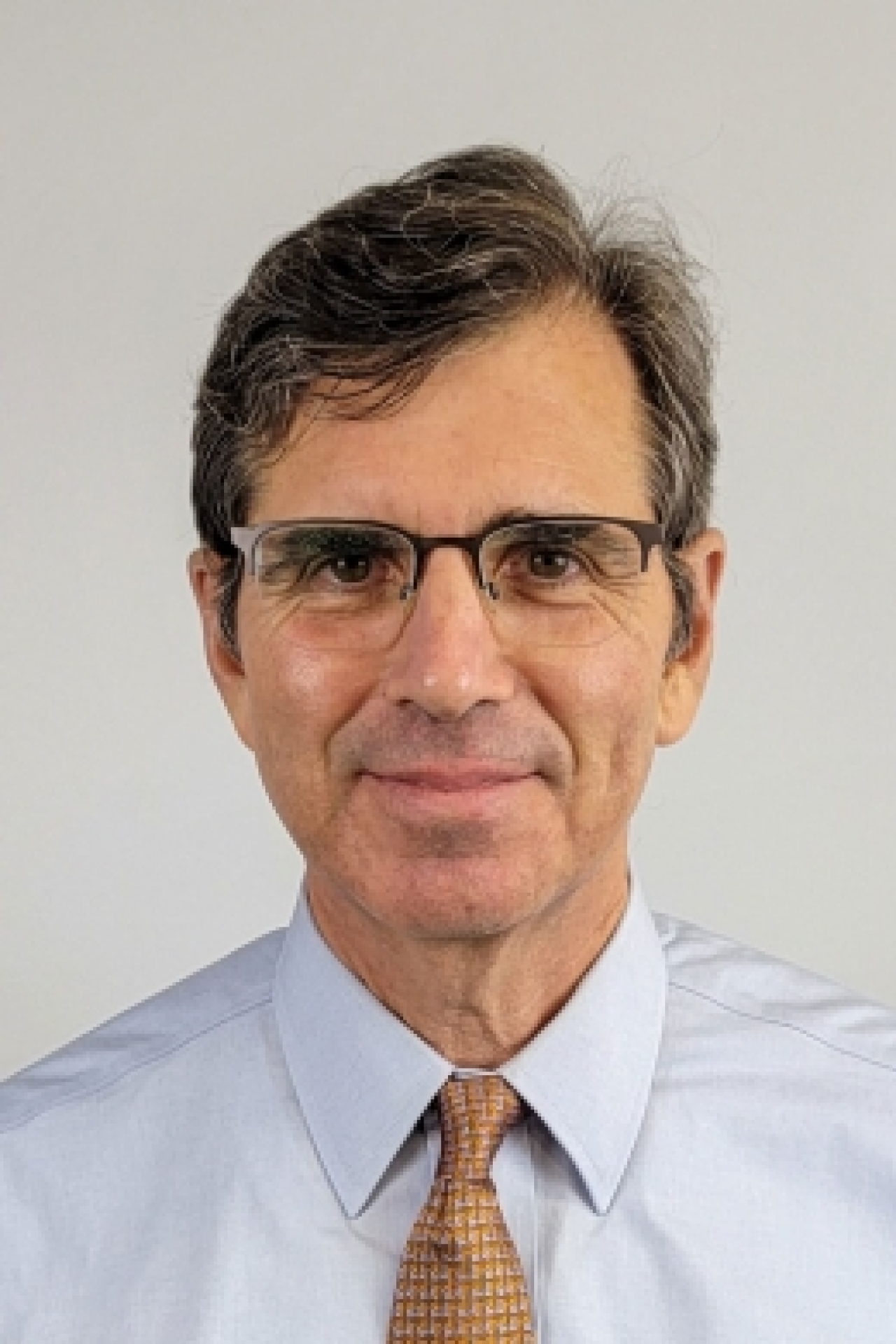
T. Scott Stroup, MD, MPH
Professor of Psychiatry, Columbia University Vagelos College of Physicians and Surgeons
Research Psychiatrist at the New York State Psychiatric Institute
Dr. Stroup is principal investigator of the OPAL Center. He is leader of the Administrative Core, co-investigator of the Signature Project, and co-leader of Exploratory Project 3. He was the director of the National Institute of Mental Health-sponsored Schizophrenia Trials Network and co-PI of the Clinical Antipsychotic Trials of Intervention Effectiveness (CATIE) schizophrenia trial. His research has been funded by National Institutes of Health (NIH), the Foundation for the NIH, Agency for Healthcare Research and Quality (AHRQ), the Patient-Centered Outcomes Research Institute (PCORI), the Greenwall Foundation, and the National Alliance for Research in Schizophrenia and Affective Disorders (NARSAD). Currently he is co-PI of an NIMH-sponsored, multi-site RCT that is evaluating the effectiveness of clozapine in reducing acts of violence among people diagnosed with schizophrenia. His prior studies of interventions for schizophrenia have addressed weight and metabolic problems, cognitive functioning, and the comparative effectiveness long-acting injectable antipsychotic medications.
Dr. Stroup leads the OPAL Center’s training efforts. His experience in training includes past roles as Training Director for Columbia’s T32 post-doctoral research fellowship “Training in Schizophrenia and Psychotic Disorders: From animal models to patients” and director of the New York State Office of Mental Health (OMH) Policy Scholars Program in the Division of Behavioral Health Services and Policy Research. He oversees the OPAL Pilot Project program and leads a monthly workshop for program awardees.
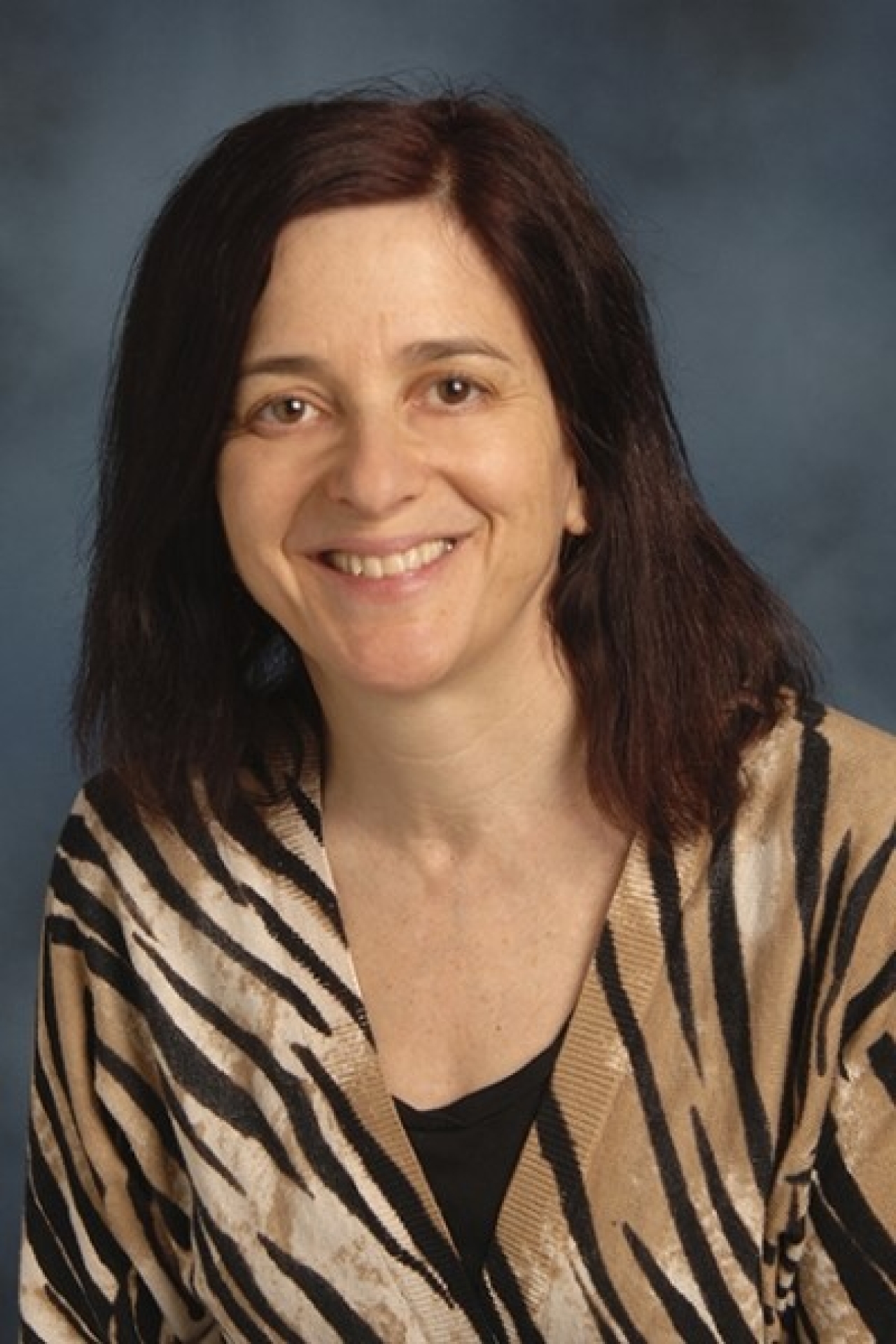
Lisa Dixon, MD, MPH
Professor of Psychiatry at Columbia University Medical Center
Research Psychiatrist at the New York State Psychiatric Institute
Director, Division of Behavioral Health Services and Policy Research & Center for Practice Innovations
Dr. Dixon is the Chair of the OPAL Scientific Steering Committee. She is Chief of the Division of Behavioral Health Services and Policy Research and within that leads Center for Practice Innovations (CPI). CPI is charged with assisting OMH in the implementation of evidence-based practices across the state including Assertive Community Treatment, Individual Placement and Support and Suicide Prevention. She also directs New York State’s early psychosis program, OnTrackNY, which is being disseminated across the state. She and Iruma Bello are co-PI’s of a 5-year R01 EPINET project focused on OnTrackNY's Learning Healthcare System. EPINET stands for Early Psychosis Intervention Network. Dr. Dixon is co-PI of OnTrackChile R01 which aims to adapt OnTrackNY to address the care of individuals experiencing early psychosis in Chile. She is the editor-in-chief of Psychiatric Services and has experience as a psychiatry residency training director and IRB chair.

Melanie Wall, PhD
Professor of Biostatistics
Director of Mental Health Data Science in the Department of Psychiatry, Columbia University Medical Center and the New York State Psychiatric Institute
Dr. Wall co-leads the Methods Core and its Data ScienceUnit. She is a biostatistician who has worked extensively with modeling complex multilevel and multimodal data on a wide array of psychosocial public health and psychiatric research questions in both clinical studies and large epidemiologic and services studies. She is an expert in longitudinal data analysis and latent variable modeling, including structural equation modeling focused on mediating and moderating (interaction) effects where she has made many methodological contributions. Under her leadership as Director of Mental Health Data Science, the team of 10 biostatisticians has provided statistical support to over 100 psychiatric research projects funded by NIMH/NIDA/NIAAA and private foundation grants. The OPAL Data Science Unit taps into the expertise of the NYSPI/RFMH Mental Health Data Science as well as the co-located Department of Biostatistics in the Mailman School of Public Health at Columbia University Division to provide collaborative support for each OPAL project on design issues, developing machine learning precision medicine models, data analysis and reporting and manuscript preparation.

Leopoldo J. Cabassa, PhD, MSW
Professor at the George Warren Brown School of Social Work at Washington University
Co-Director, Center for Mental Health Services Research
Co-Director of the Center for Holistic Interdisciplinary Research in Psychedelics at WashU
Dr. Cabassa co-leads the Methods Core and its Qualitative Unit. His work blends quantitative and qualitative methods, implementation science, intervention research and community engagement to inform the adaptation and implementation of health interventions in routine practice settings to improve the health of racial and ethnic minorities with schizophrenia and other serious mental illnesses (SMI). He has expertise conducting and leading qualitative studies using semi-structured qualitative interviews and focus group methodologies and using collaborative approaches to inform the adaptation and implementation of health and mental health interventions in routine practice settings.

Alice Medalia, PhD
Professor of Medical Psychology (in Psychiatry) at Columbia University Medical Center
Director of NY State OMH Cognitive Health Services, and Director of Cognitive Health Solutions at Center for Practice Innovations, in the Division of Behavioral Health Services and Policy Research at the New York State Psychiatric Institute Director of the Lieber Recovery Clinic, New York Presbyterian and Columbia Doctors
Dr. Medalia is an OPAL Scientific Steering Committee Member, who provides guidance and support on optimization of treatments for the cognitive dysfunction that is associated with schizophrenia. She was PI on Project 1 of the first OPAL, and PI on the R01 based on that project, which concerns methods to personalize cognitive treatment. She supervises OPAL pilot projects and is co-investigator on a R34 based on an OPAL pilot project that developed a group based behavioral treatment for the motivation deficits in schizophrenia. Dr. Medalia has been instrumental in raising awareness about the need to address cognition as a central aspect of health related to functional outcome. She is a researcher, prolific author and the recipient of numerous awards. Dr. Medalia brought the concept of Cognitive Health to the field of Psychiatry. Traditionally cognitive health has been seen as relevant only to older individuals, but Dr. Medalia has advocated that it be considered a central aspect of health for all individuals. Dr. Medalia was the first person to identify the role of intrinsic motivation in neuroplasticity based cognitive training for people with psychiatric disorders. She developed the widely used Neuropsychological & Educational Approach to Remediation (NEAR) model of cognitive remediation, which has been disseminated worldwide. She is a member of the Columbia University College of Physicians & Surgeons Academy of Clinical Excellence and is founding director the Lieber Recovery and Rehabilitation Clinic, a comprehensive psychiatric rehabilitation program for individuals with persistent mental illness.
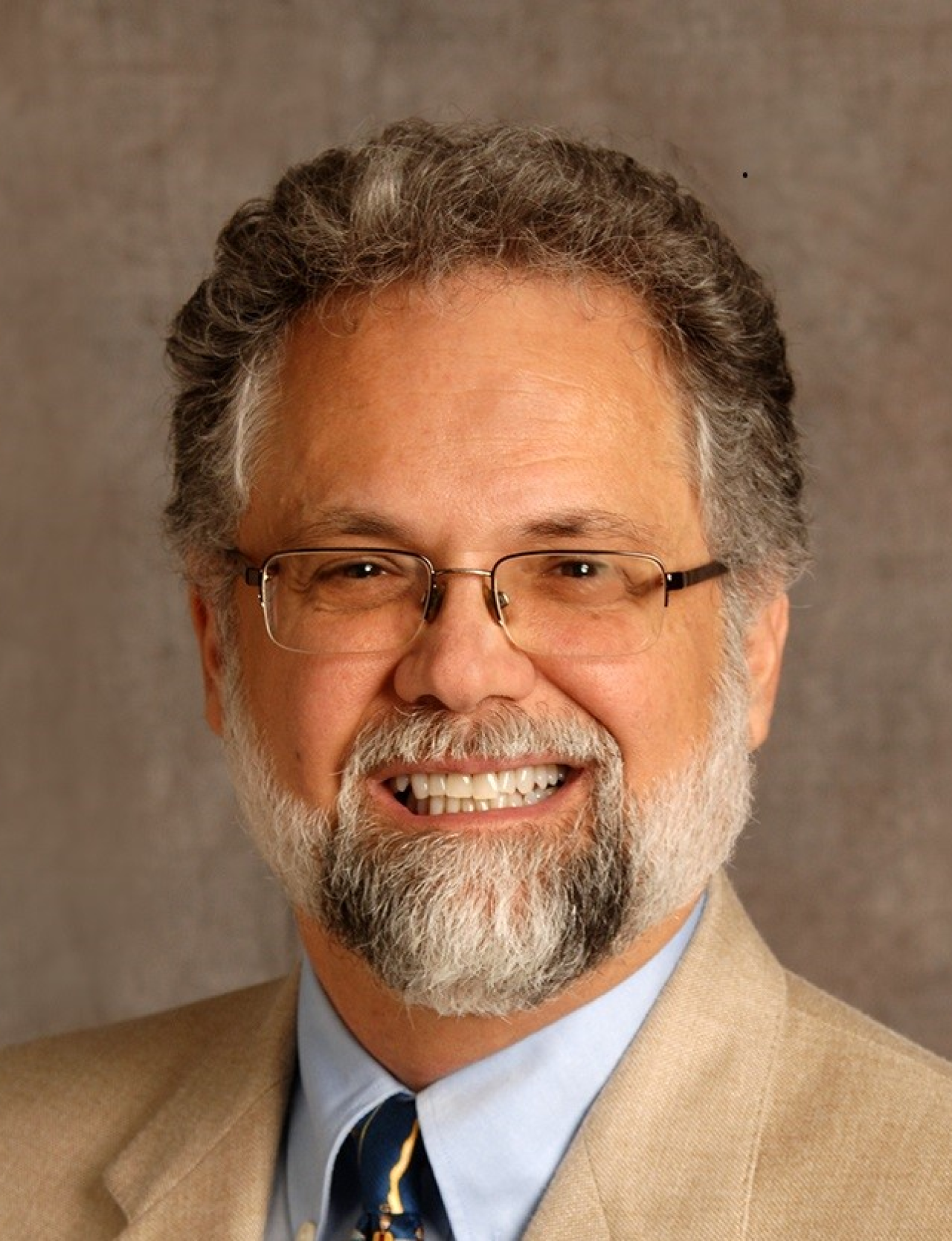
Roberto Lewis-Fernández MD
Professor of Clinical Psychiatry at Columbia University and Director of the NYS Center of Excellence for Cultural Competence, Director of the Hispanic Treatment Program, and Research Area Leader for Anxiety, Mood, Eating, and Related Disorders at NYS Psychiatric Institute
Dr. Lewis- Fernández’s research develops culturally congruent interventions and instruments to enhance patient engagement, reduce misdiagnosis, and overcome disparities in the care of underserved cultural groups. He led the development of the DSM-5 Cultural Formulation Interview, a standardized cultural assessment protocol, and was the Principal Investigator (PI) of its international field trial. He has been PI or co-Investigator of 28 National Institutes of Health-funded studies and other research, and published over 235 articles, chapters, and books on culture-related topics in mental health. Dr. Lewis-Fernández is co-chair of the Cultural Committee of the Group for the Advancement of Psychiatry and past president of the American Psychopathological Association, World Association of Cultural Psychiatry, Society for the Study of Psychiatry and Culture, and American Society of Hispanic Psychiatry. He is a Vice-Chair of the DSM-5-TR Steering Committee and was chair of the DSM Review Committee for Internalizing Disorders and the DSM-5-TR Culture-Related Issues Review Committee, and co-chair of the DSM-5-TR Work Group on Ethnoracial Equity and Inclusion. Dr. Lewis- Fernández is the head of the Enhance Quality of Care Unit (EQCU) of OPAL Center Methods Core. He also is the multiple PI of OPAL Center exploratory project 1.

David Kimhy, PhD
Associate Professor
Department of Psychiatry
Icahn School of Medicine at Mount Sinai
Dr. Kimhy is co-leader of Project 3 and leader of Health Technology and Clinical Assessment Units. Dr. Kimhy pioneered the use of mobile digital technologies in the study of individuals with schizophrenia, having published the first report validating the use of such technologies in this population. He has more than 20 years of experience developing and leading studies utilizing mobile digital technologies in the assessment and treatment of in individuals with schizophrenia and related conditions. Dr. Kimhy’s work has been supported by grants from the National Institute of Mental Health (NIMH), The VA Administration, The Brain & Behavior Research Foundation, and industry.

David H. Strauss, MD
Consultant, Research Ethics and Regulatory Affairs
David H. Strauss, M.D. is a special lecturer in the department of psychiatry, Vagelos College of Physicians and Surgeons, Columbia University. He consults to OPAL’s ethics unit and serves as a member of its scientific steering committee.
Dr. Strauss is an external advisor to Takeda Pharmaceutical’s Ethics Advisory Council, consulting on the development of its global ethics policies on data privacy and secondary data use, access to investigational and marketed therapies, cell and gene therapies, and artificial intelligence, among others. Dr. Strauss serves as senior advisor to the Multi-Regional Clinical Trials Center at Harvard and Brigham and Women’s Hospital and its initiatives to promote diversity and inclusion in clinical trials. He is faculty on Fordham’s HIV and Drug Abuse Prevention Research Ethics Training Institute, and he is a newly appointed member of the Microsoft Research IRB within Microsoft’s Ethics Review Program. He is a longstanding member of the Subpart A subcommittee of the HHS Secretary’s Advisory Committee on Human Research Protections where he led the development of guidance the inclusion of individuals with impaired consent capacity in research, guidance on minimal risk, and guidance on the effects of research risk on non-subjects, among other work.
Previously, Dr. Strauss, held leadership positions at the NYS Psychiatric Institute and Columbia’s Department of Psychiatry over the course of a 30-year career there, including vice chair for research, director of research operations, IRB chair, clinical director, and chief of the schizophrenia research unit. At the University level, he chaired Columbia’s committee on the conduct of research. He is a former member of the board of directors of Public Responsibility in Medicine and Research.
Dr. Strauss practices psychopharmacology and psychotherapy in NYC and Western Massachusetts. He teaches, lectures, and consults on matters of applied research and professional ethics.

Mark Olfson, MD, MPH
Elizabeth K Dollard Professor of Psychiatry, Medicine and Law
Professor of Epidemiology at Columbia University Medical Center
Research Psychiatrist at the New York State Psychiatric Institute
Dr. Olfson is a co-leader of OPAL Signature Project and a co-investigator of OPAL Exploratory Project 2. He currently directs studies of mental health service patterns with a focus on risk factors for common mental disorders and suicide prevention. His research interests extend to national patterns and trends in mental health service use. In the Signature Project, he works with Dr. Gerhard on identifying modifiable risk factors for dementia in schizophrenia, assessing the comparative safety of commonly prescribed antipsychotic medications in this population, and developing tools to improve clinical cognitive health for middle aged and older adults with schizophrenia.

Davangere Devanand, MD
John and Myrna Daniels Professor of Psychiatry (and in Neurology and the Gertrude H. Sergievsky Center)
Dr. Davangere Devanand is Professor of Psychiatry and Neurology and Director of Brain Aging and Mental Health at Columbia University Medical Center. He received his medical degree at Christian Medical College, Vellore, India and completed his psychiatry residency training at Syracuse and Yale. He has received the APA Jack Weinberg Memorial Award in Geriatric Psychiatry, American Association of Geriatric Psychiatry Distinguished Investigator Award, and American College of Psychiatrists Award for Research in Geriatric Psychiatry.
Dr. Devanand has written three books and has over 300 peer-reviewed publications, excluding published abstracts. He pioneered studies on the interface between depression and cognitive impairment, treatment of psychosis and agitation in dementia, and non-invasive early diagnostic markers of Alzheimer’s disease. His publications have appeared in major journals including the New England Journal of Medicine and JAMA. He has received numerous research grants and is currently Principal Investigator of National Institute on Aging and Alzheimer’s Association-funded treatment trials with repurposed drugs and lifestyle interventions in mild cognitive impairment and Alzheimer’s disease
Dr. Devanand is the other significant contributor of OPAL Signature Project.

Terry E. Goldberg, Ph.D.
Professor of Psychiatry (Medical Psychology) and Anesthesiology at Columbia University Medical Center.
Dr. Goldberg's early work focused on cognitive impairment in schizophrenia at the Clinical Brain Disorders Branch, then GCAPP, in the Intramural Research Program of the NIMH in Dr. Daniel Weinberger’s laboratory. He was the first to demonstrate that cognitive impairment was in schizophrenia was a valid indicator of neural dysfunction and was not an epiphenomenon of psychotic symptoms or motivational impairments. Additionally, he showed that in clinical trials examining second generation antipsychotic drugs, cognitive improvements were an artifact of practice effects due to serial assessment and were not due to the cognitive enhancing properties of the medications. He developed a variety of cognitive instruments now used in laboratories world-wide. At NIMH he was a co-leader of a team that focused on understanding the role of candidate genes in cognition, structural morphometrics, and functional neural circuitry in schizophrenia and in healthy individuals.
With his transition to the Alzheimer’s disease and aging area he began to examine the role of cognition in understanding the course of AD. He has developed several new more refined measures to examine cognition in in the early stages of AD. This instrument development work has been funded by NIA and novel instruments will now be used to measure efficacy in a clinical trial in an amnestic MCI population, also NIA funded. He also sought to understand the relationship of cognitive compromises and newer performance- based measures of everyday function. In MCI he demonstrated that cognitive measures were better predictors of progression from MCI to AD than biomarkers in a widely cited article. His work on APOE used an integrative approach that examines differences between the alleles from the standpoint of molecular biology, neuroimaging, and cognitive science.
He is a member of several scientific societies, including the APA and Biological Psychiatry. He is a Fellow in the ACNP. He has published over 240 scientific articles and his h-index is 105.
Dr. Goldberg is the co-investigator of OPAL Signature Project.

Deidre M. Anglin, PhD
Associate Professor of Psychology in the Clinical Psychology PhD Program at The City College of the City University of New York (CCNY)
Dr. Anglin has specialized research training in psychiatric epidemiology from Columbia University’s Mailman School of Public Health and co-leads the Enhance Quality of Care Unit (EQCU) of the OPAL Center Methods Core. Dr. Anglin directs the Clinical and Social Epidemiology (CASE) lab at CCNY leading projects focused on identifying social determinants of psychosis risk in racial and ethnic minoritized populations. She is internationally recognized for her work and expertise on racism and psychosis and the stigma of mental health service utilization in ethnoracial minoritized populations. She is the principal investigator of an OPAL pilot project which uses innovative mixed-methods to examine how understanding racism and neighborhood factors among Black young people with a first episode of psychosis can inform intervention development.
Ana Stefancic, PhD
Associate Research Scientist in the Department of Psychiatry, Columbia University Medical Center
Dr. Stefancic is a qualitative and mixed methods researcher whose work focuses on the implementation and effectiveness of services that promote self-determination, recovery, and health equity. She has been a consultant, lead evaluator, and co-investigator on federally funded research grants from NIMH, SAMHSA, NIDLRR, and AHRQ. Recent collaborations have focused on enhancing services for early intervention in psychosis, integrating physical and mental health care, evaluating suicide prevention programs for youth and young adults, expanding access to home health and end-of-life care, and evaluating mental health supports for LGBTQ+ populations. Dr. Stefancic is a member of the OPAL Qualitative Unit where she provides training and on-going support to projects integrating qualitative methods into their design, including providing guidance on methods of analysis that align with different research contexts and objectives, and that can rapidly inform practice.

Linda Valeri, PhD
Associate Professor in Biostatistics at the Columbia University Mailman School of Public Health
Linda Valeri is an associate professor with tenure, PhD program director at the Biostatistics Department, Columbia University Mailman School of Public Health, and adjunct assistant professor of Epidemiology at the Harvard T.H. Chan School of Public Health. Since joining Columbia in 2018 she has collaborated with the OPAL team, and she is now co-Investigator in Project 3.
Linda Valeri is an expert biostatistician specializing in causal inference, with a focus on biostatistical methodology and statistical learning. She received her doctorate degree in Biostatistics from Harvard University. Her research encompasses causal mediation analysis, measurement error, missing data, and the integration of data from multiple sources, such as smartphone and wearable devices, life-course cohort studies, and electronic medical records, in diverse populations. Dr. Valeri has developed widely utilized open-access computational tools for causal inference, benefiting scientists across biomedical and social sciences. As PI awards from the National Institute of Mental Health, the National Institute of Aging and the National Institute of Environmental Health Sciences she collaborates with interdisciplinary teams to advance our understanding of mental health across the life-course, environmental determinants of health, and health disparities, contributing to informed policy-making. She is active as associate editor for the International Journal of Biostatistics, as editor for the Data Science section at Current Environmental Health Reports, and as Statistical Editor for JAMA Psychiatry. Valeri is also enthusiastic in her service to her local, regional, and national community of statisticians and biostatisticians, serving as elected Council of Sections Representative for the ASA Mental Health Statistics Section and program chair for the ASA Mobile and Wearables Data Science Interest Group.

Alice Saperstein, PhD
Associate Professor of Medical Psychology (in Psychiatry) at Columbia University Medical Center
Dr. Saperstein is a co-investigator of OPAL Center Signature Project. She conducts research on cognitive remediation for adults with serious and persistent mental illness. On NIMH-funded clinical trials she has collaborated on intervention development, facilitated research partnerships with community-based services, and provided training and supervision on cognitive, psychological and functional outcomes assessments. Through professional education and training, Dr. Saperstein supports the dissemination and implementation of empirically-based cognitive health services in public psychiatry settings throughout New York State.

Neil Krishan Aggarwal, MD
Research Psychiatrist at NYS Psychiatric Institute
Dr. Neil Krishan Aggarwal is a cultural psychiatrist and social scientist. His research interests include designing and testing initiatives in cultural competence, diversity, equity, and inclusion in health care. The author of over a hundred peer-reviewed publications and four books, his work has been financially supported by the American Psychiatric Association, National Institutes of Health, the New York State Office of Mental Health, and the Substance Abuse and Mental Health Services Administration.
Dr. Aggarwal is the multiple PI of OPAL Center exploratory project 1.

Richard Buchsbaum
Senior Staff Associate in the Department of Biostatistics at the Mailman School of Public Health, Columbia University
Data Systems Manage
Mr. Buchsbaum is a member of the Quantitative Unit. He has developed an approach to research data management that integrates multiple technologies (websites, desktop applications, telephone systems, wireless connectivity, centralized data storage, etc.) to address the full spectrum of research data needs. Mr. Buchsbaum has more than 30 years of experience in data management and 27 years of experience developing research databases for health-related studies including service interventions. He collaborates with Dr. Wall regarding data management issues.